A field update from our outreach team
There’s a quiet kind of courage in walking into a community and saying: We need to talk about your children.
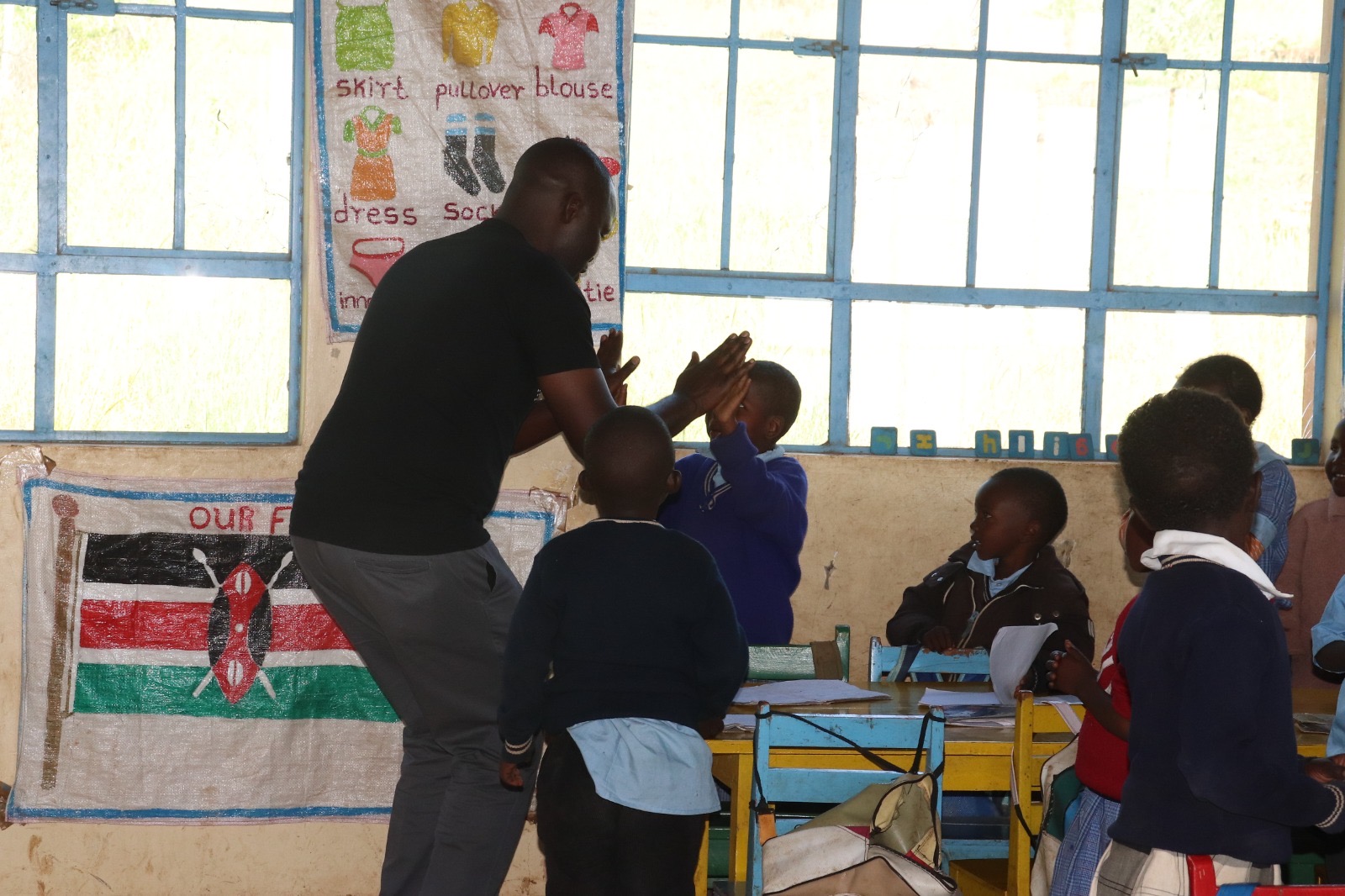
That’s exactly what our outreach team did this week. Alongside government officers, health specialists, police, and community leaders, we visited two primary schools in a rural area of Kenya — schools whose leadership had already noticed something was wrong. Behavioural changes. Red flags. The unmistakable signs that children were not safe.
What followed were two of the most confronting, hopeful, and necessary days our team has experienced in the field.
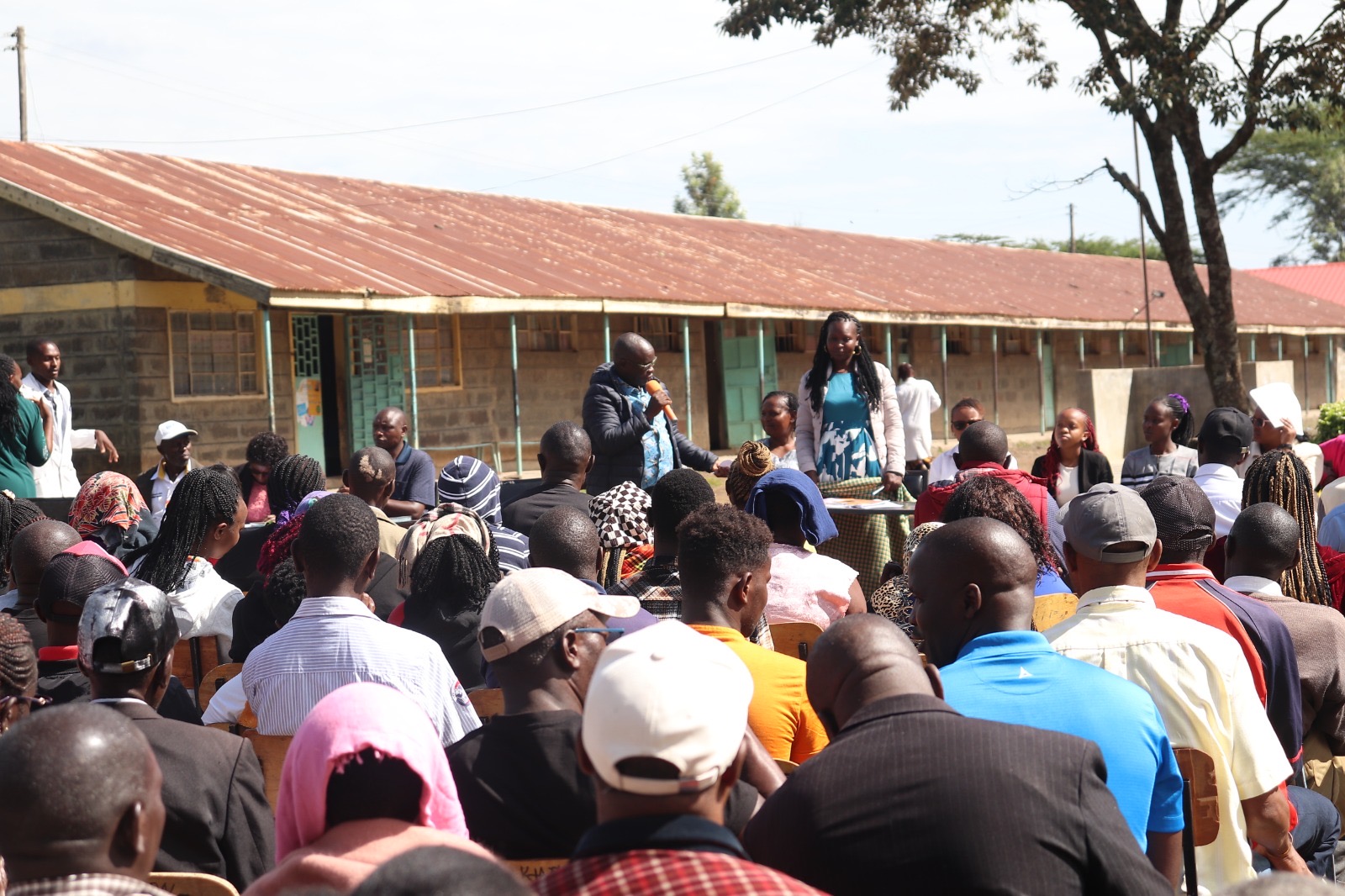
Sitting with parents
At our first school, we assembled a room full of parents and spoke plainly. Real data was shared — reported cases of sexual abuse, neglect, physical harm, abandonment, and children dropping out of school. Not statistics from somewhere far away. Local cases in their own community.
A police officer addressed those who protect wrongdoers, making clear that obstructing justice is itself a serious crime. A clinical officer reminded parents that when abuse occurs, bringing a child for medical care is both free and essential — not just for their wellbeing, but for preserving the evidence that can bring an assailant to account.
The room was uncomfortable. It was supposed to be.
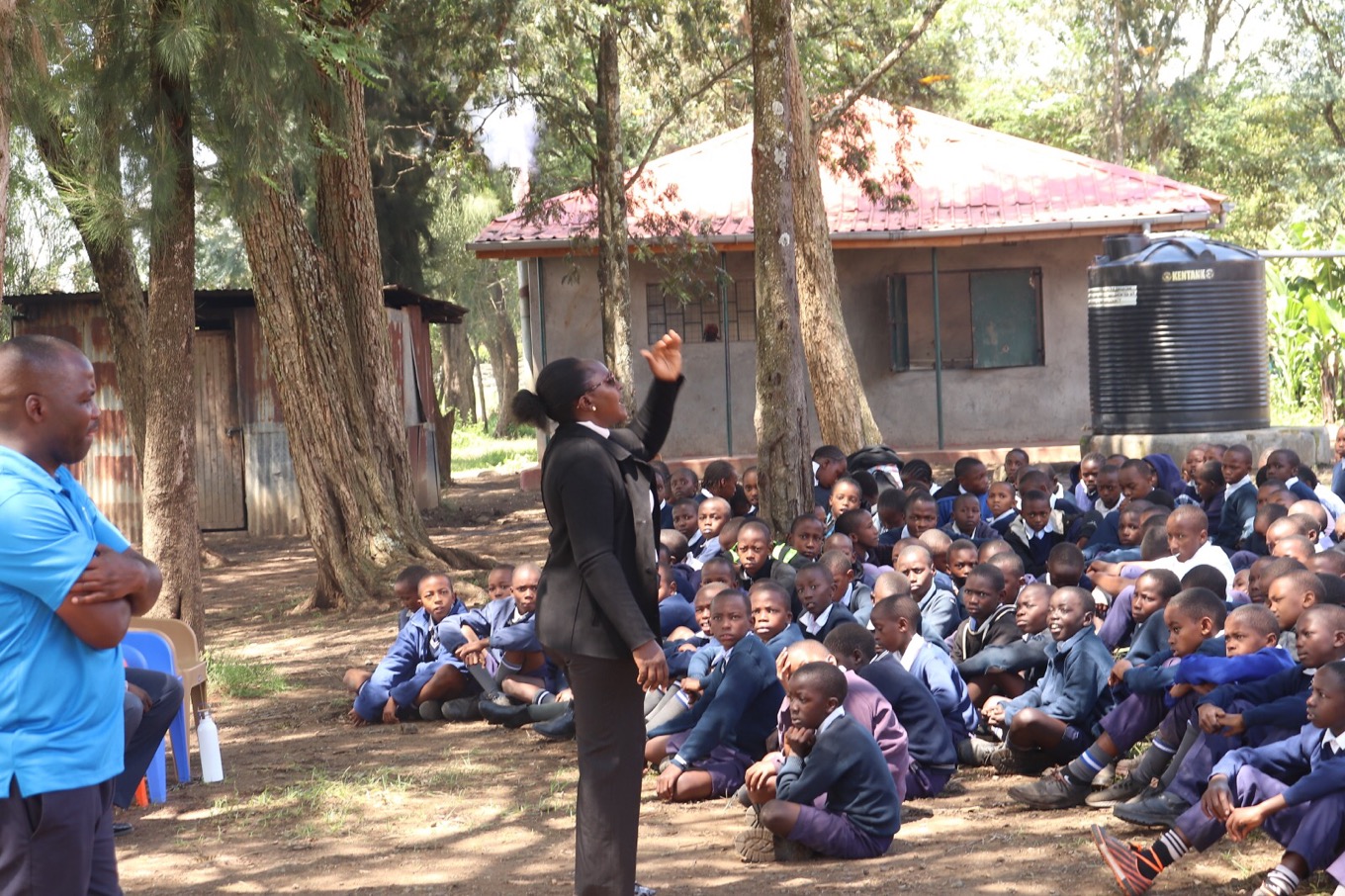
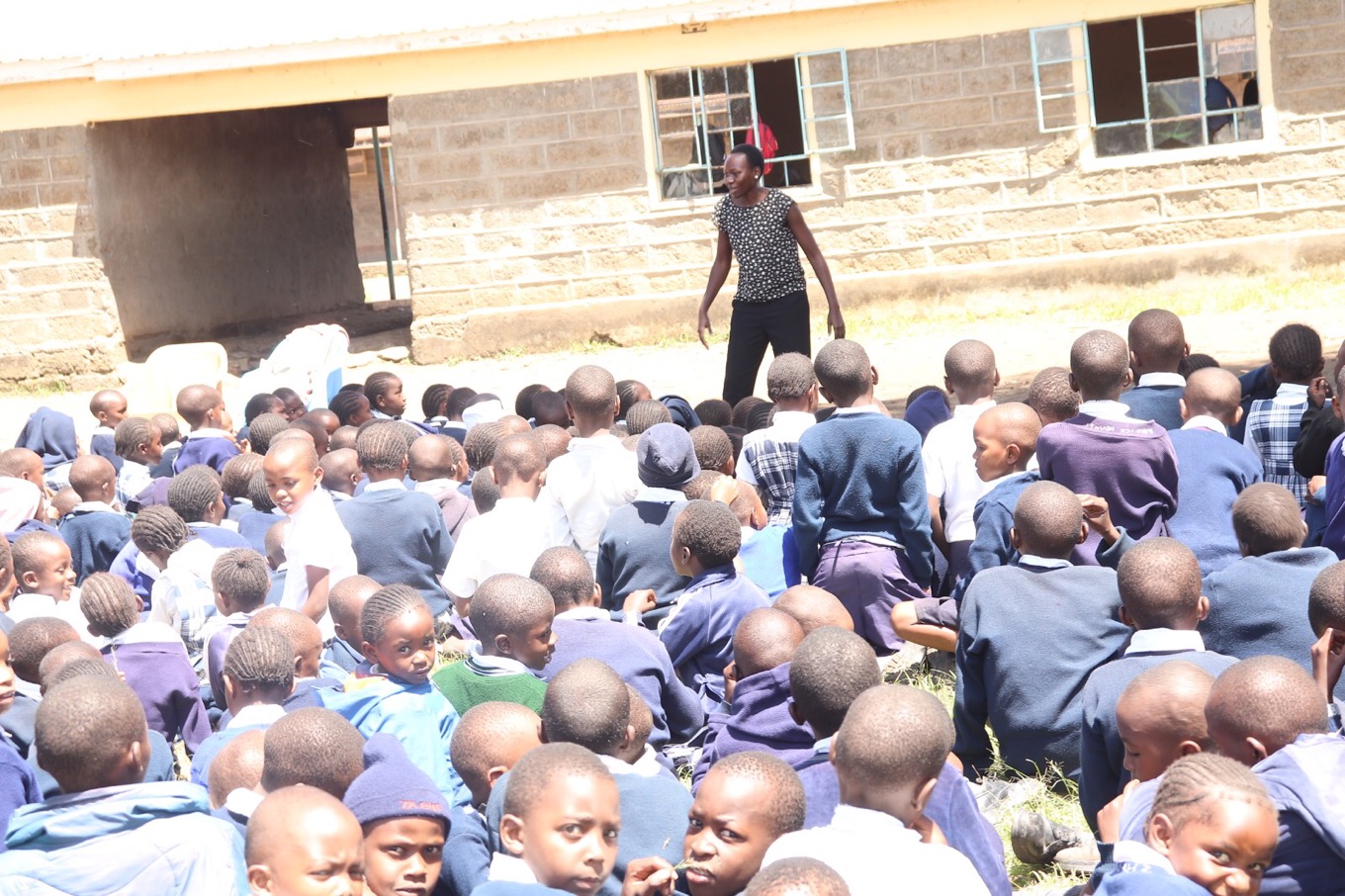
Sitting with children
Then came the part that stays with you.
Our team worked through every grade level — from preschoolers right through to the oldest students. With the youngest children, we used stories and songs. Many had never been taught what private parts are, or that their body belongs to them. By the end of the session, they were saying it aloud, confidently. Knowledge that could one day protect them.
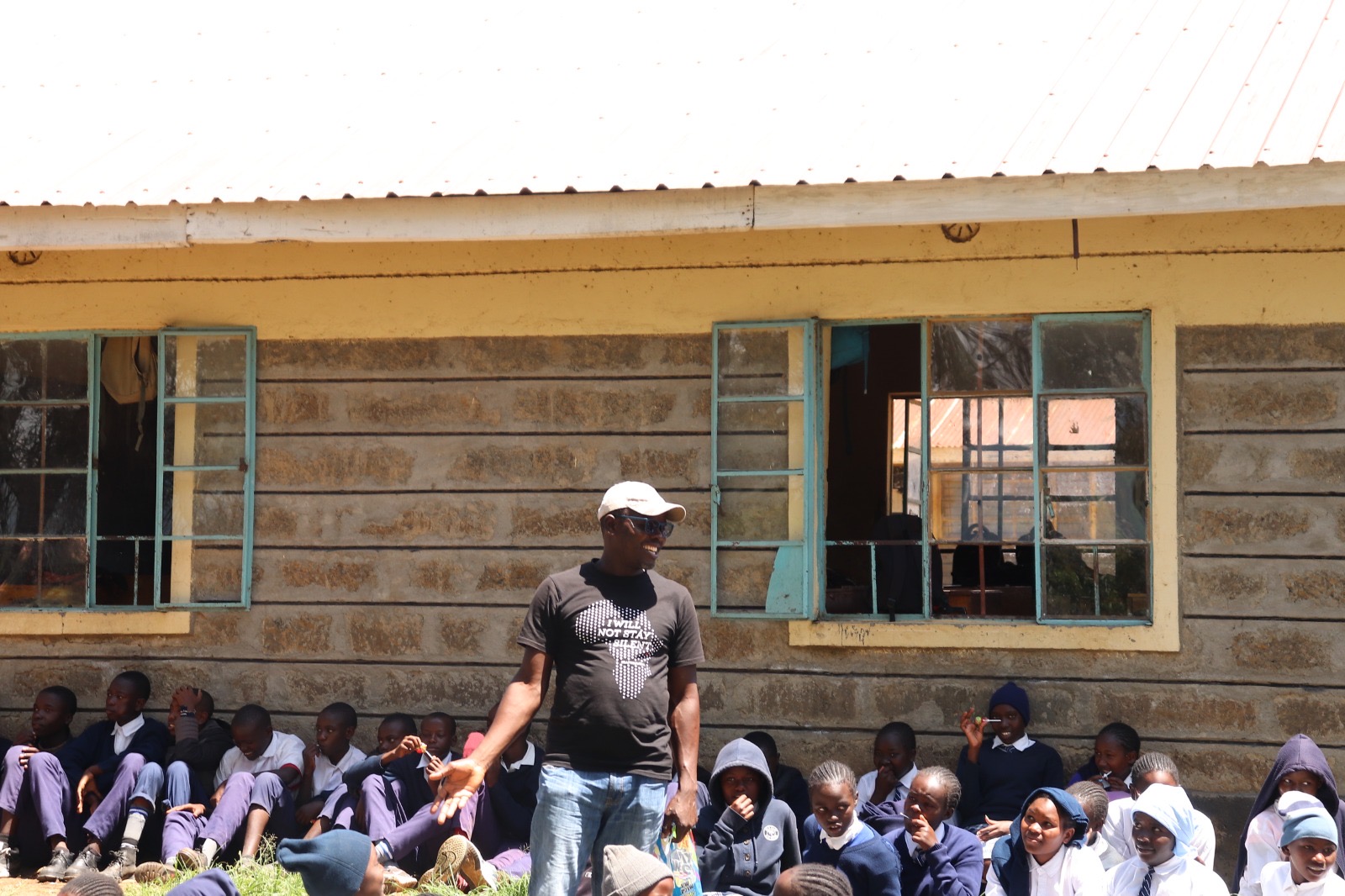
With older students, we offered something different: anonymity. Pieces of paper, no names. Just truth.
What they wrote was heartbreaking. Experiences of sexual activity — with peers, and with adults close to them. At one school, a student disclosed being touched inappropriately by a person in a position of authority. That information was placed directly with the school’s leadership, with authorities ensuring accountability would follow.
At another school, as our team was leaving, several parents approached quietly — asking for contact details, reaching out for help they hadn’t known how to find before that day. We’ll be going back.
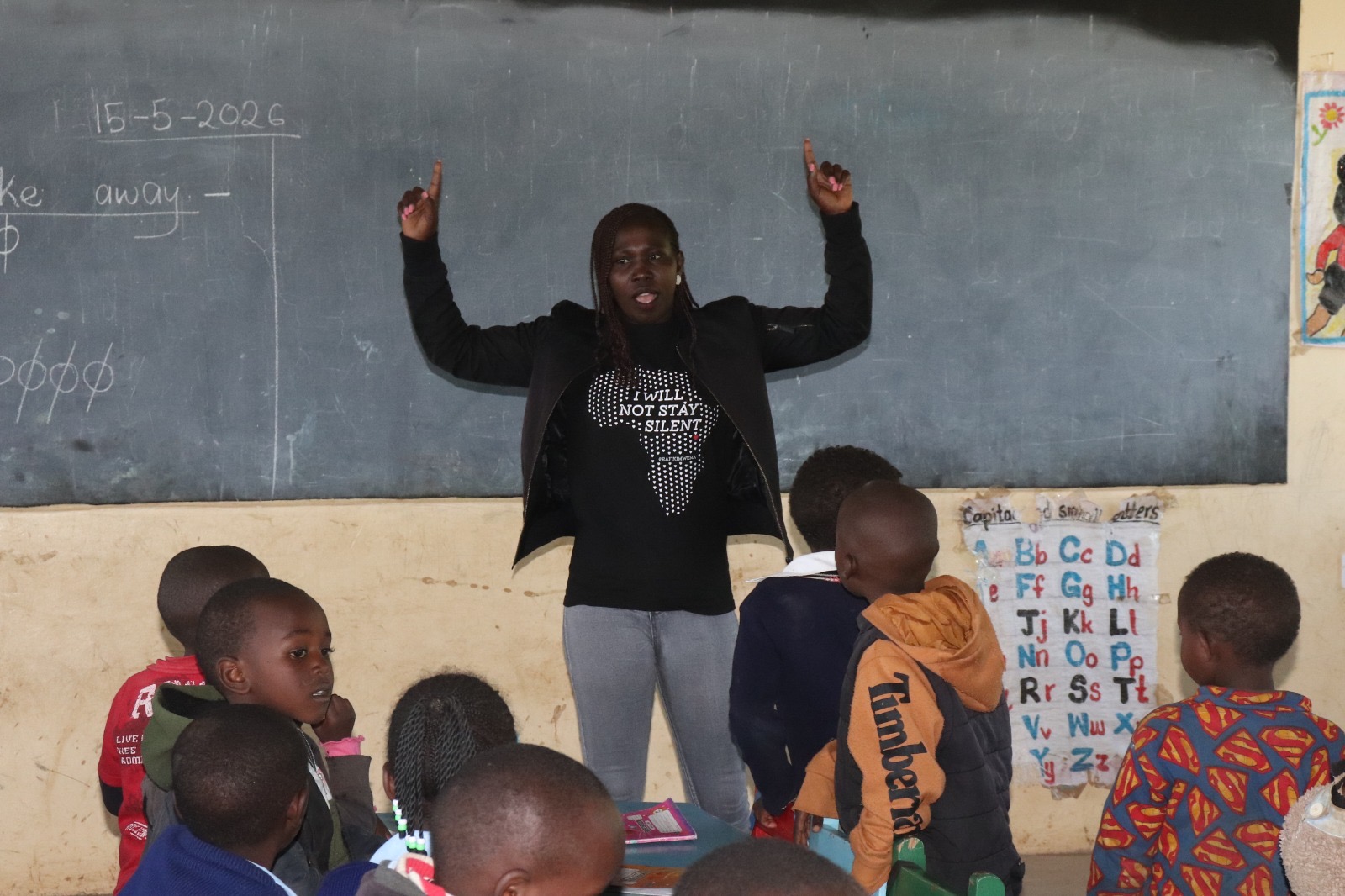
What happens when communities speak up
When we shared what the children had disclosed with the parents gathered outside, the room went very still.
The children’s officer spoke directly: too many cases have been quietly settled within communities, away from the law. The local chief made the same commitment — to work hand in hand with authorities to keep children safe.
That evening, a headteacher called to say thank you. He said what our team had offered that day — a platform, a presence, a voice — was something his community had needed for a long time.
This is why our outreach work reaches beyond our gates. Because protection doesn’t happen in one place. It happens when communities decide that children come first — and when someone shows up to help them find that courage.